
Occupational Therapy

What is occupational therapy?
Occupational therapy (OT) is a branch of health care that helps people of all ages who have physical, sensory, or cognitive problems. OT can help them regain independence in all areas of their lives.
Occupational therapists help with barriers that affect a person's emotional, social, and physical needs. To do this, they use everyday activities, exercises, and other therapies.
OT helps kids play, improves their school performance, and aids their daily activities. It also boosts their self-esteem and sense of accomplishment. With OT, kids can:
- Develop fine motor skills so they can grasp and release toys and develop good handwriting or computer skills.
- Improve eye–hand coordination so they can play and do needed school skills such as bat a ball and copy from a blackboard.
- Master basic life skills such as bathing, getting dressed, brushing teeth, and self-feeding.
- Learn positive behaviours and social skills by practicing how they manage frustration and anger.
- Get special equipment to help build their independence. These include wheelchairs, splints, bathing equipment, dressing devices, and communication aids.
What services do occupational therapists provide?
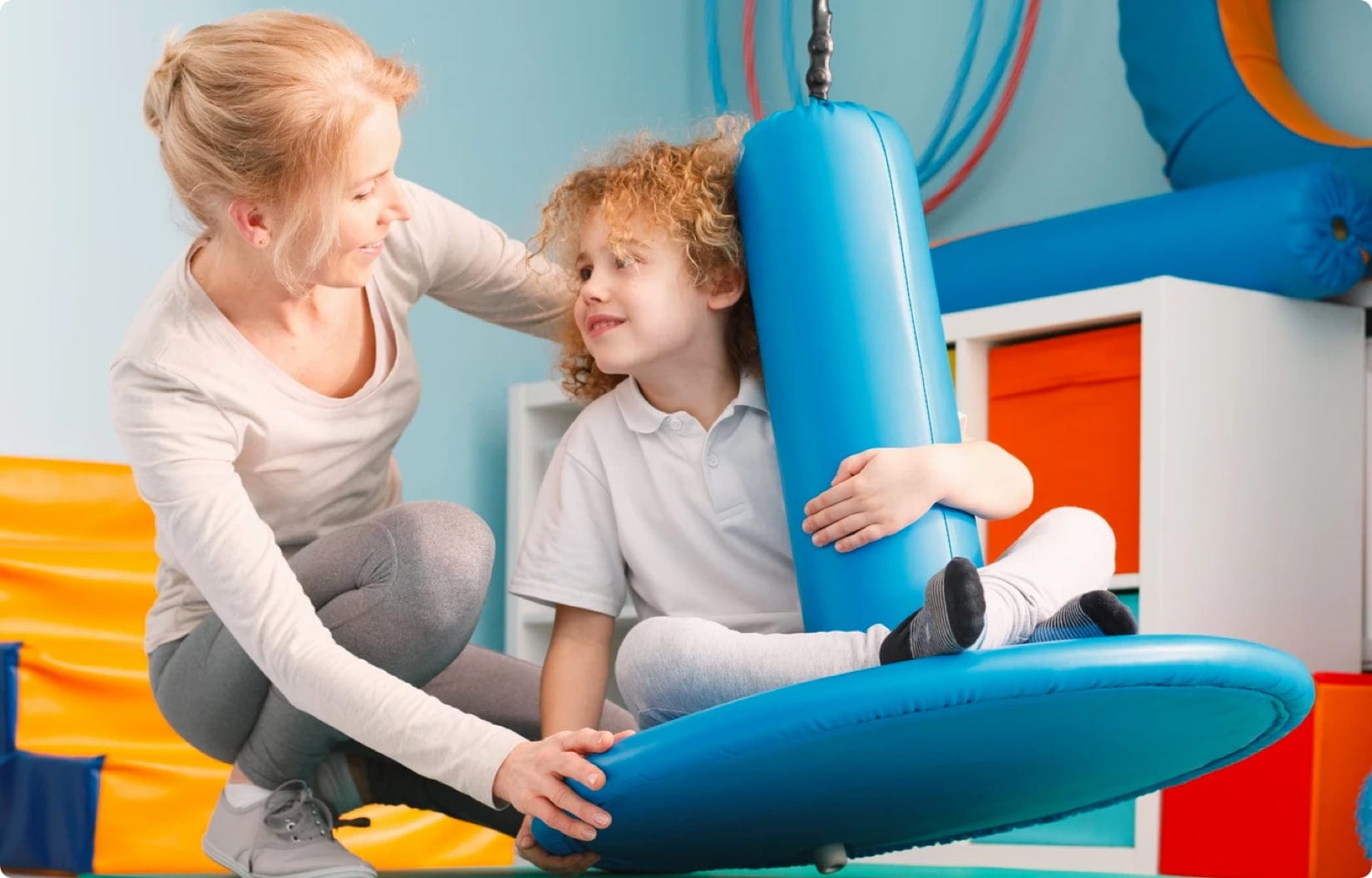
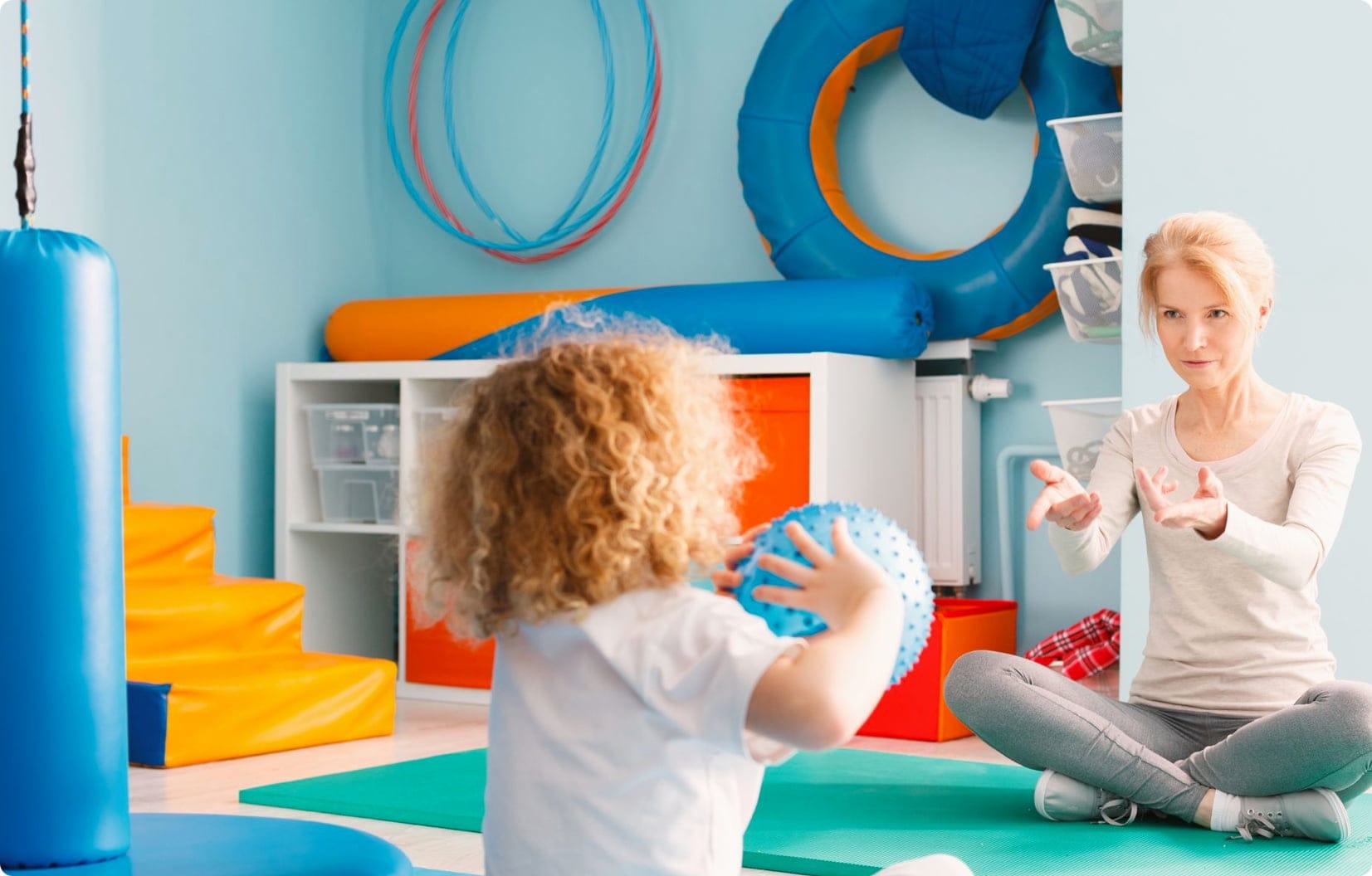
Occupational therapists offer a broad range of services to individuals and groups, or they can provide assistance at a more strategic level. Their support may include:
- Therapeutic use of occupations, and activities, including therapeutic use of self (including one’s personality, insights, perceptions, and judgments, as part of the therapeutic process);
- Education and support of individuals, including family members, caregivers, and others, through collaborative and consultative partnerships and family-centred approaches;
- Skill development in self-care, self-management, home management, and community/work/school reintegration;
- Care coordination, case management, transition services including discharge planning, client advocacy and onward referral to relevant services;